
Discover Napoli
- About 905,000 residents in the city (nearly 3 million in the metropolitan area)
- Campania
- CET/CEST (UTC+1 / UTC+2)
History
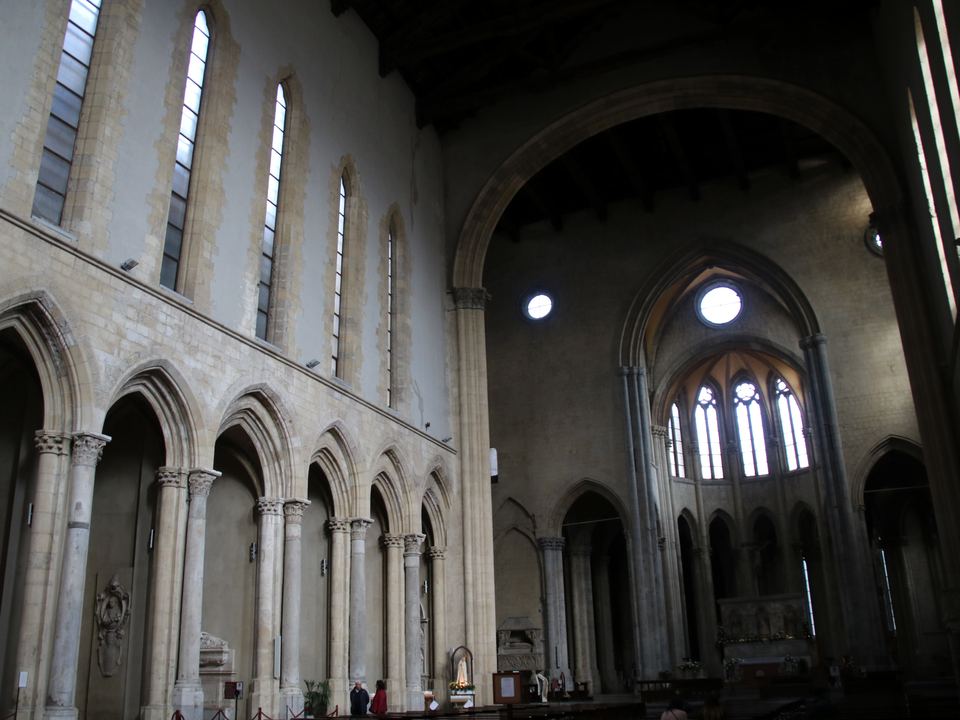
Naples began as Neapolis, “new city,” founded around 470 BC by Greek settlers from nearby Cumae to supersede an earlier settlement, Palaeopolis. It remained a thoroughly Greek city even after coming under Roman control in the 4th century BC, prized by Roman elites — including emperors Augustus, Claudius and Nero — as a place to speak Greek, study philosophy and build seaside villas along what is now Posillipo, while the volcanic soil of the surrounding Campania made it one of the wealthiest agricultural regions of the ancient world.
Through the early Middle Ages, Naples became an independent duchy loosely tied to the Byzantine Empire, before passing in the 12th and 13th centuries to Norman, then Hohenstaufen, then Angevin rule — it was the Angevins who built Castel Nuovo and made Naples their capital in 1282. Aragonese conquest in 1442 was followed by two and a half centuries as a Spanish viceroyalty, during which Naples swelled into one of the largest and most crowded cities in Europe, its population and its social extremes growing together.
The 18th century brought the city’s most celebrated flowering: under the Bourbon kings who made Naples capital of the independent Kingdom of the Two Sicilies from 1734, the city became one of Europe’s great cultural capitals, building the Teatro di San Carlo, the Reggia di Caserta and the Capodimonte porcelain works, and drawing Grand Tour travellers who marvelled at its position on the bay beneath Vesuvius. Naples voted to join the newly unified Kingdom of Italy in 1860, ending over a century as an independent capital and beginning a long period of relative economic decline and mass emigration that reshaped Neapolitan communities across the world.
The Second World War left Naples heavily bombed, and in September 1943 its residents rose up against occupying German forces in the “Quattro Giornate di Napoli,” liberating the city before Allied troops arrived — the first Italian city to do so. Post-war reconstruction was uneven and often compromised by organised crime’s grip on building contracts, a challenge the city has spent recent decades confronting through urban renewal, restored museums and a tourism sector rebuilt around the very density and layered history that once made Naples feel unmanageable to outsiders, and now draws them in.
Did you know?
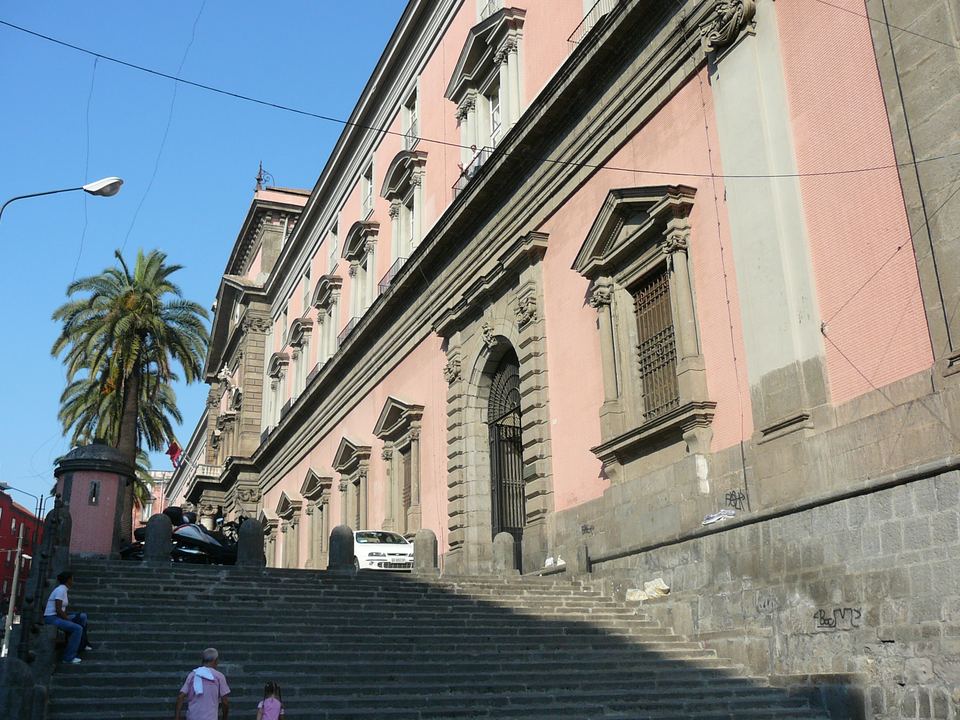
- Naples' historic centre is the largest in Europe, covering roughly 1,700 hectares of continuously inhabited urban fabric spanning 27 centuries — UNESCO inscribed it as a World Heritage Site in 1995.
- In 2017, UNESCO recognised the 'Art of Neapolitan Pizzaiuoli' (pizza makers) as Intangible Cultural Heritage, the only time a culinary craft tied to one specific city has received that designation.
- Three times a year — the first Saturday of May, 19 September and 16 December — the Naples Cathedral holds a ceremony in which a vial said to contain the dried blood of the city's patron saint, San Gennaro, is expected to liquefy; the ritual has been documented since at least 1389.
- Napoli Sotterranea, a network of Greek-era quarries and Roman aqueduct tunnels running up to 40 metres beneath the streets, was later repurposed as air-raid shelters during the Second World War and can still be toured today.
- Teatro di San Carlo, opened in 1737, is the oldest continuously active opera house in the world, predating both La Scala in Milan and the Palais Garnier in Paris by decades.
- Diego Maradona's seven seasons with S.S.C. Napoli (1984–1991), including the club's first two Serie A titles, are still commemorated across the city with murals, and the stadium was renamed in his honour after his death in 2020.
Must-see
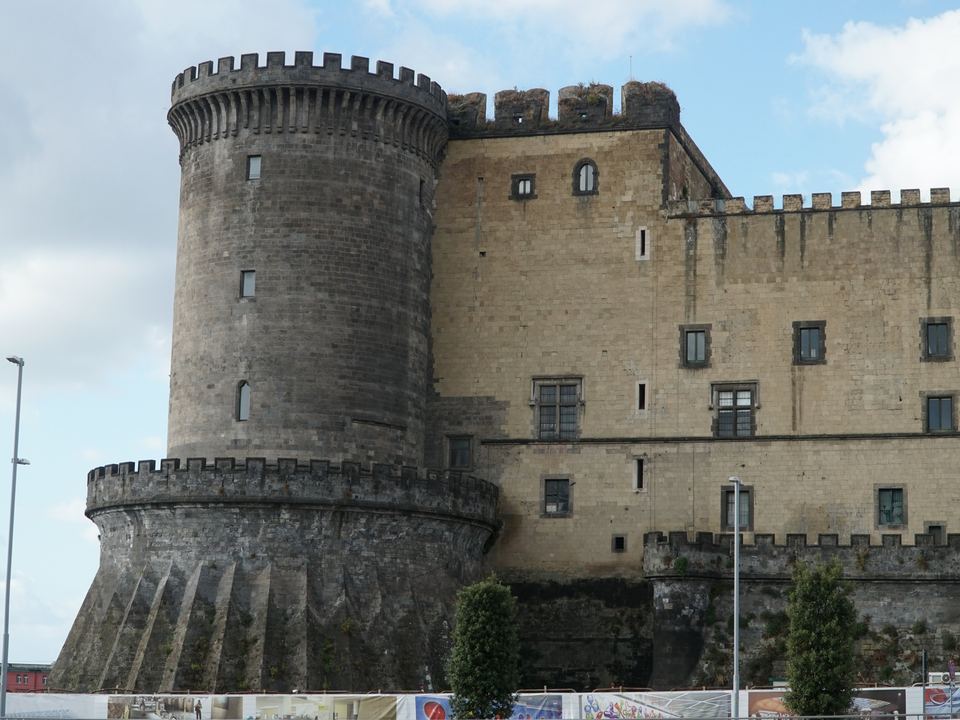
- Castel Nuovo — A moated Angevin-Aragonese fortress guarding Naples' port, famed for its gleaming Renaissance triumphal arch and the hall where a king once trapped his rebellious barons.
- National Archaeological Museum of Naples — One of the world's great archaeology collections, uniting the Farnese Marbles with treasures pulled from the ashes of Pompeii and Herculaneum.
- Cappella Sansevero — Home to Giuseppe Sanmartino's astonishing Veiled Christ, an 18th-century marble masterpiece so lifelike it still baffles visitors today.
Local dishes
- Pizza Margherita — Tomato, mozzarella and basil on a soft, leopard-spotted crust, said to have been created in Naples in 1889 to echo the colours of the Italian flag — the ancestor of every pizza eaten worldwide.
- Sfogliatella — A shell-shaped pastry filled with sweetened ricotta and candied fruit, made in two versions: 'riccia,' with dozens of crisp, flaky layers, and 'frolla,' with a softer shortcrust shell.
- Babà — A yeasted cake soaked in rum syrup, brought to Naples via the Bourbon court's ties to French pastry-making and now a fixture of every Neapolitan pasticceria.
- Ragù napoletano — A slow-simmered tomato and meat sauce, cooked for hours until the meat falls apart, traditionally served over ziti or paccheri as a Sunday family ritual rather than a quick weeknight dish.
- Mozzarella di bufala campana — Fresh cheese made from water buffalo milk in the plains around Caserta and Salerno, protected by DOP status and eaten plain, in a caprese salad, or atop a pizza still warm from the oven.
- Cuoppo — A paper cone of assorted fried seafood, vegetables or street snacks — fritto misto eaten on the move, sold at friggitorie throughout the historic centre.
Practical info
Getting around
Naples Metro Line 1 runs several 'art stations' — Toledo, Municipio, Dante — commissioned from contemporary architects and artists, worth riding for their own sake. Four historic funiculars climb from the centre up to the Vomero hill, a quick and scenic way to reach Castel Sant'Elmo and the Certosa di San Martino. The historic centre itself is compact, largely pedestrianised in its core streets, and best explored on foot, though traffic and scooters move fast and unpredictably elsewhere, so exercise normal caution crossing streets. Buses and trams cover the rest of the city but run less predictably than the metro; taxis and rideshare apps are widely used for trips beyond walking distance.
When to go
April to June and September to October offer the mildest, most comfortable weather, avoiding both summer humidity and the crowds and heat of July–August, when many family-run trattorie also close for the traditional ferragosto break around mid-August. Winter is mild by northern-European standards and quieter with tourists, and December brings the historic centre's nativity-crib season into full swing along Via San Gregorio Armeno. Coastal day trips to Capri, Ischia and the Amalfi Coast are best from late spring through early autumn, when ferry schedules run at full frequency.
Good to know
- A dress code applies inside the Duomo, Cappella Sansevero and other churches: shoulders and knees should be covered.
- Book ahead for Napoli Sotterranea, Cappella Sansevero and other small, high-demand sites, which cap group sizes and sell out same-day slots quickly.
- Many small trattorie, markets and family-run shops prefer or require cash; carry some alongside a card.
- As in any dense, crowded city centre, keep bags zipped and valuables out of back pockets around Piazza Garibaldi, the central station and crowded public transport.